Jon Kingsley Hall
Contact: Jonathan Tester
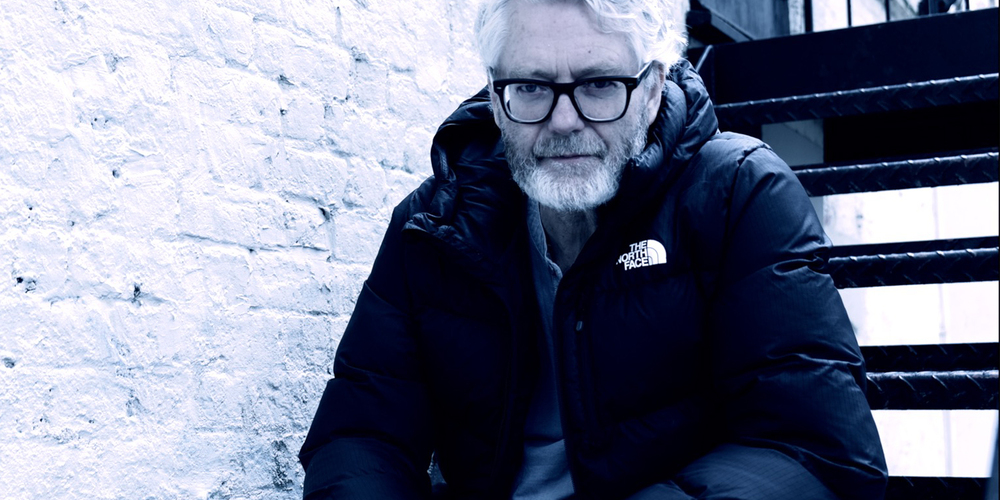
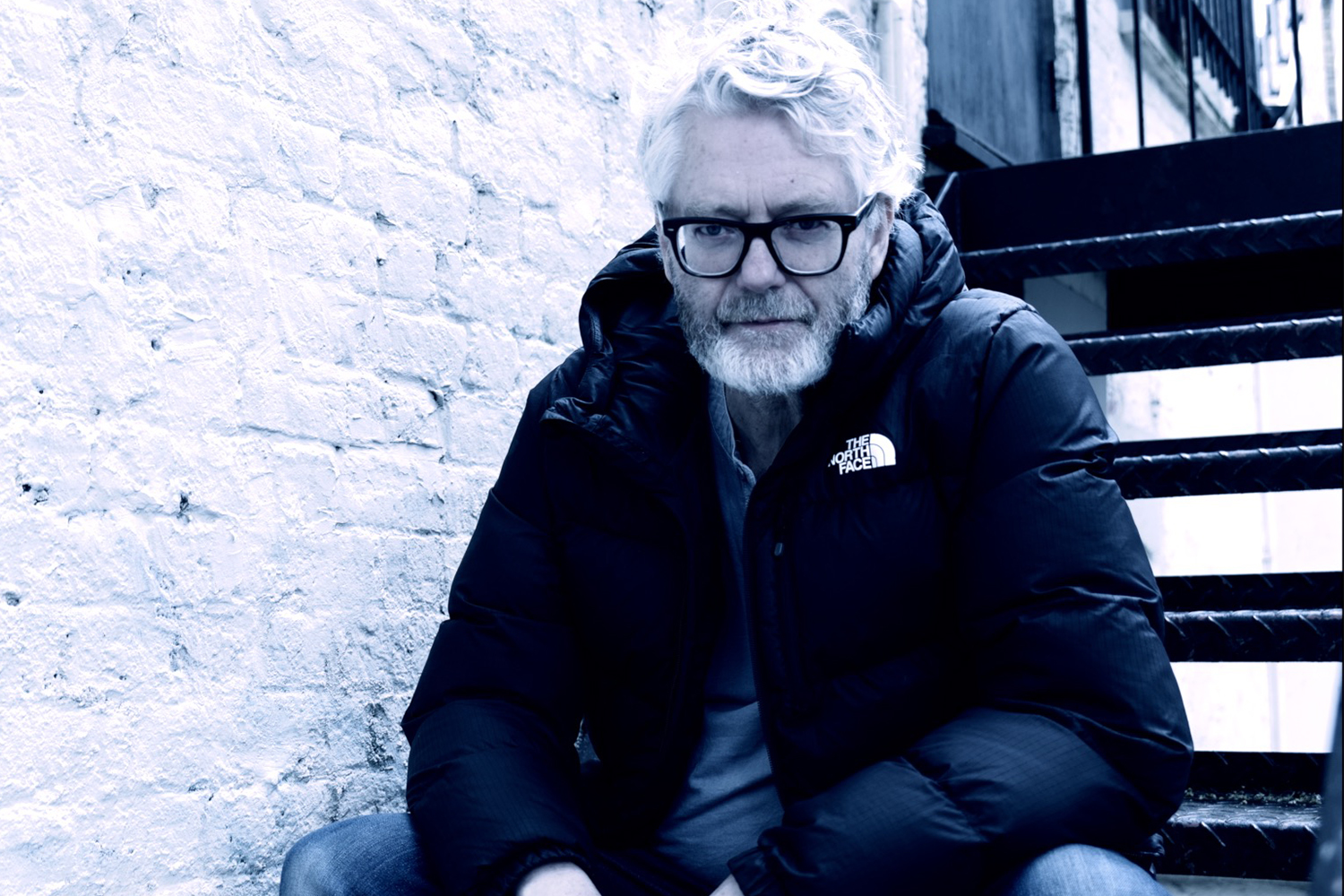
Jon Kingsley Hall is a British composer, producer, and music therapist best known as a founding member and creative force behind the experimental synth-pop group Kissing the Pink (KTP). His work bridges electronic and classical composition with therapeutic practice, exploring transformation and connection through sound.
Jon graduated the Royal Scottish Academy of Music and Drama (organ and percussion) followed by postgraduate performance studies at the Royal College of Music, London (1981–1982). In 2013, he earned a Master’s degree in Music Therapy from the Nordoff-Robbins Institute.
Hall began his career in the early 1980s as co-founder of Kissing the Pink, alongside Nick Whitecross, George Stewart, and Peter Barnett. The band’s blend of pop, electronics, and surrealist lyricism set them apart from their contemporaries on the post-punk and new wave scenes.
A 1983 review in NME described Kissing the Pink as “a delicate exercise in information overload — a clear, vibrant pop, stretched lively over a fine-boned, spiky skeleton of restless invention,” praising their “nerve, elegance, and ambition.” In the same article, Hall reflected: “We all have very different personalities and interests, but we share a fascination for things that are bizarre or contradictory… If there’s irony or emotional tension, I’ll go for that.”
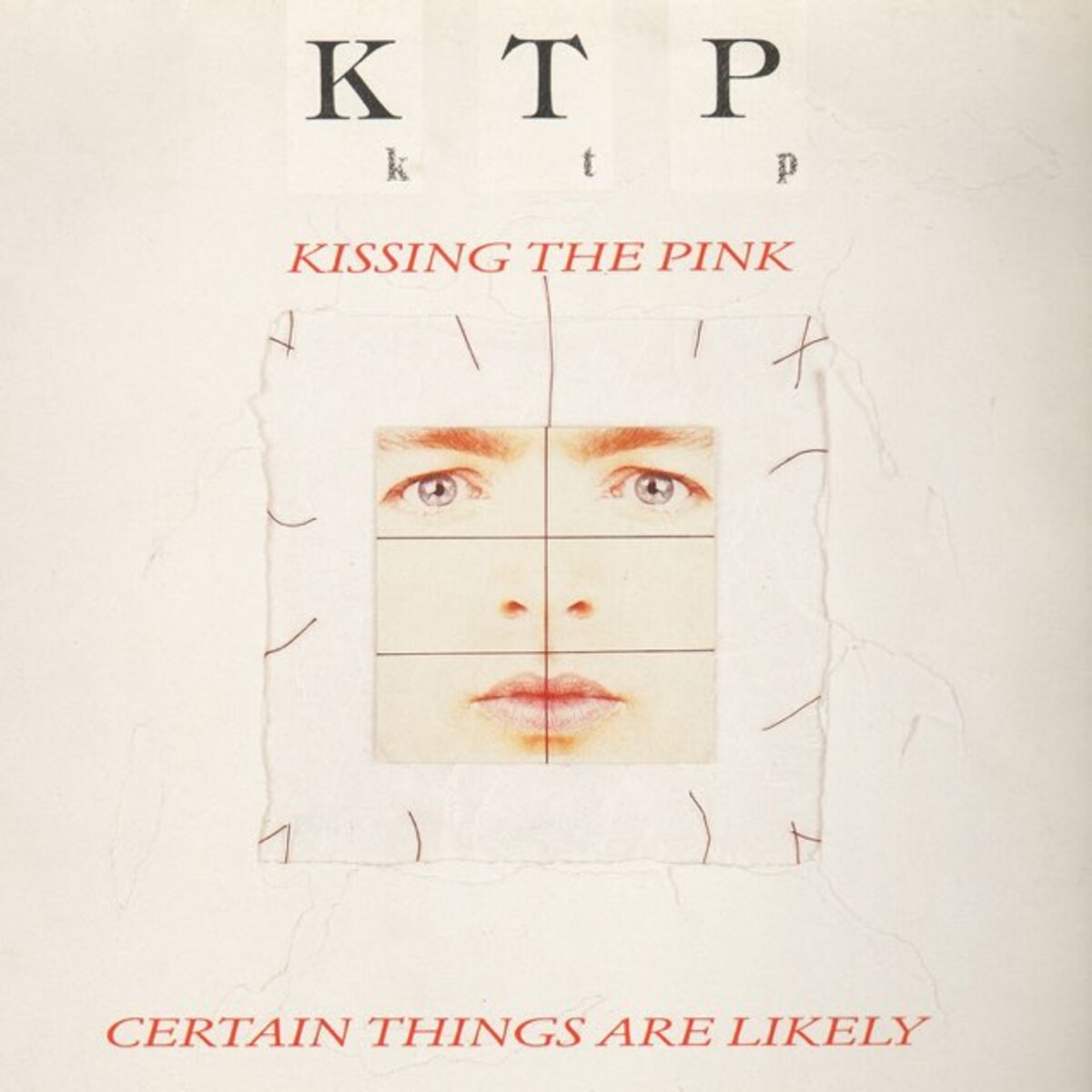
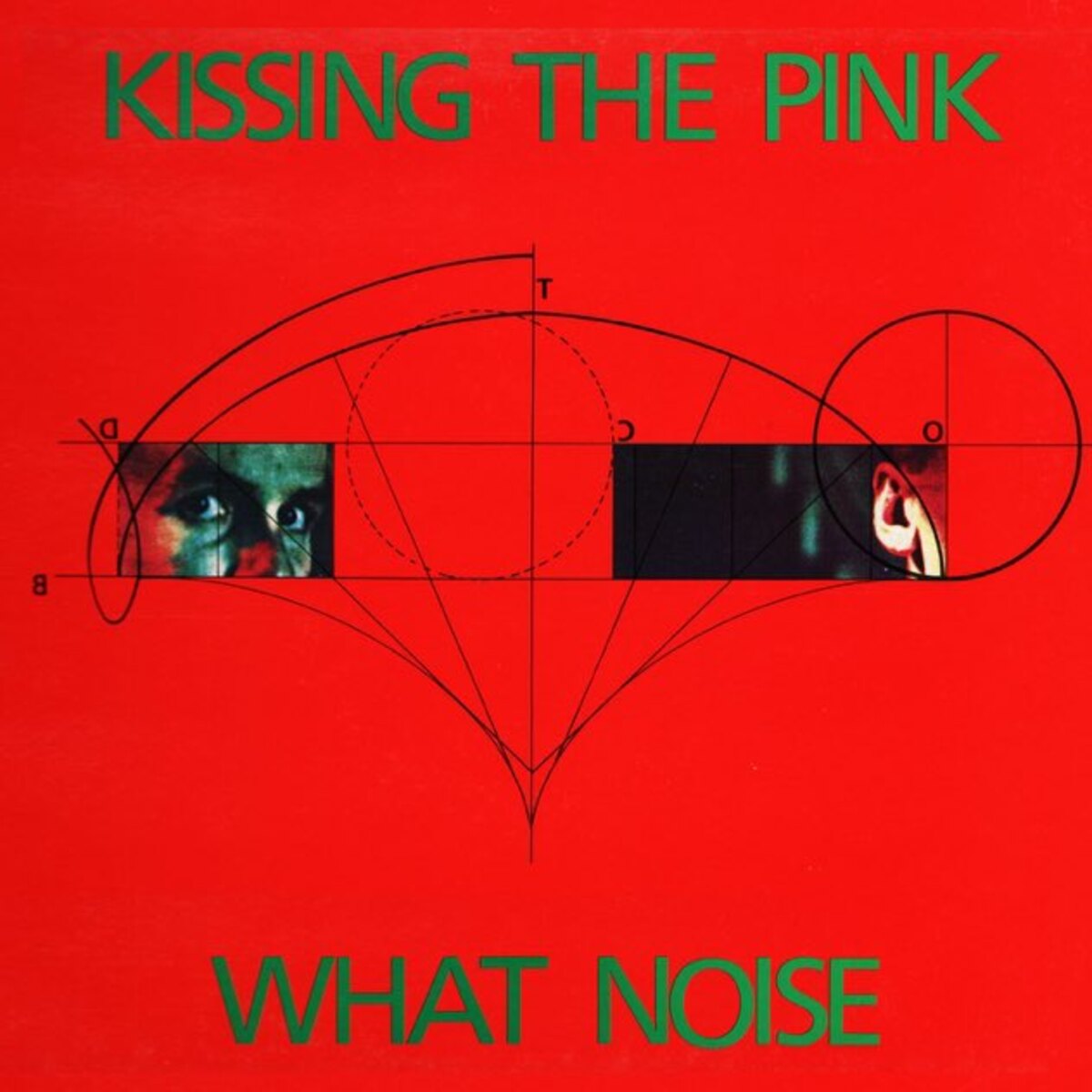
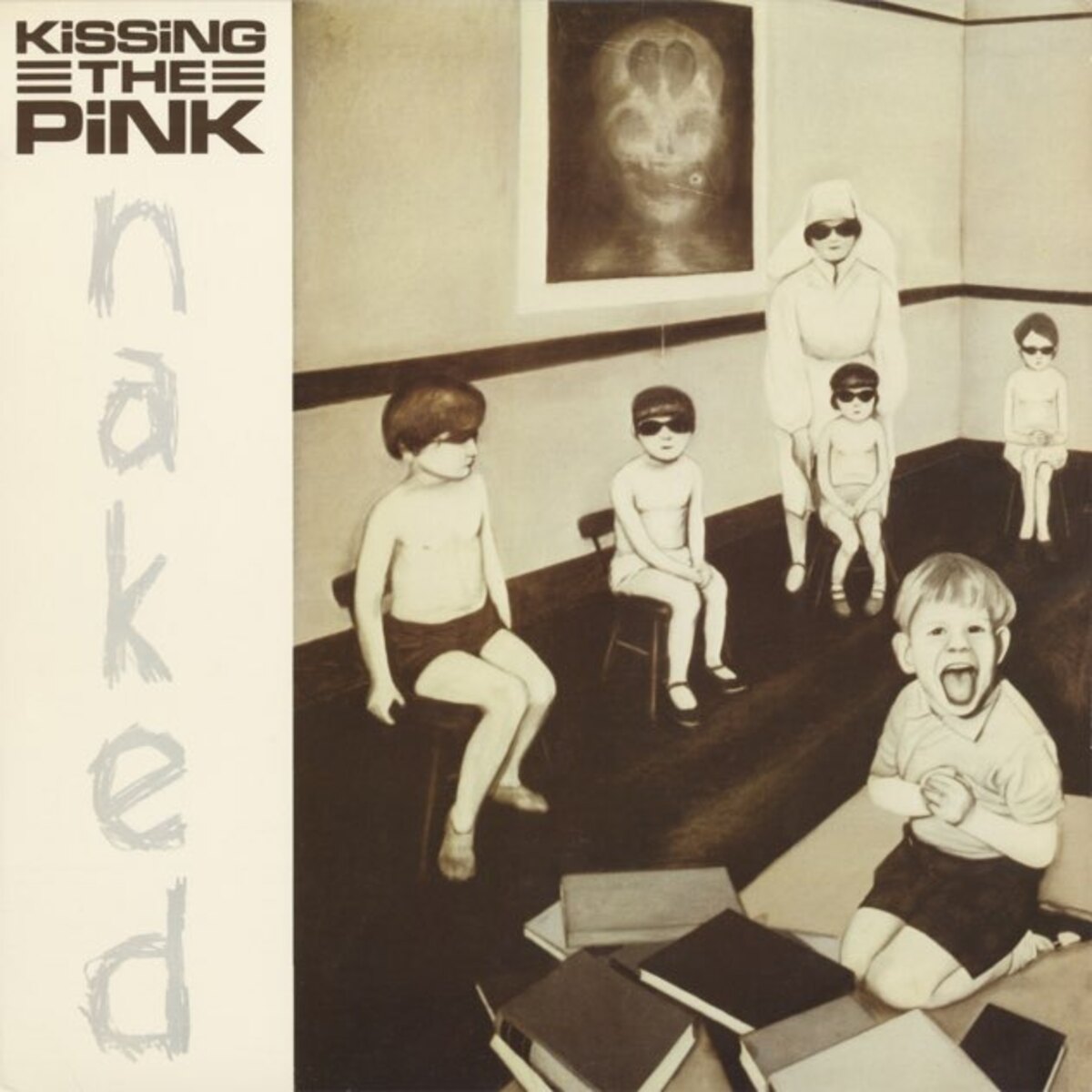
The Face (1984) hailed them as “brave outsiders making emotional pop for an artificial age.” Their debut album Naked (1983), produced by Colin Thurston (Duran Duran) and Martin Hannett (Joy Division), yielded the hit single “The Last Film.” Later albums, including What Noise (1984) and Certain Things Are Likely (1986), continued to explore their distinctive fusion of art-pop and electronic experimentation.
In addition to his work with KTP, Hall went on to write, produce, and remix for a wide range of artists, contributing to chart and club successes across multiple genres. He co-wrote the UK Top 20 hit “Let Me Show You” with K-Klass, released on Deconstruction Records in 1993 — a track that became a defining anthem of 1990s British house music.
His production and writing credits also include work with Candy Dulfer, Xpress2, Aswad, Kosheen, The Shamen, Gareth Gates, and The Puppini Sisters, co-producing their acclaimed 2007 album The Rise and Fall of Ruby Woo.
In 1997, Hall co-wrote and produced the drum-and-bass singles “Get Down” and “Go” and co wrote tracks with vocalist Diane Charlemagne, known for her work on Goldie’s “Inner City Life.” The tracks were supported by Goldie and received coverage in DJ Mag and Music Week. He also composed the film soundtrack for Going Off Bigtime (2000), a Universal/MCA production.
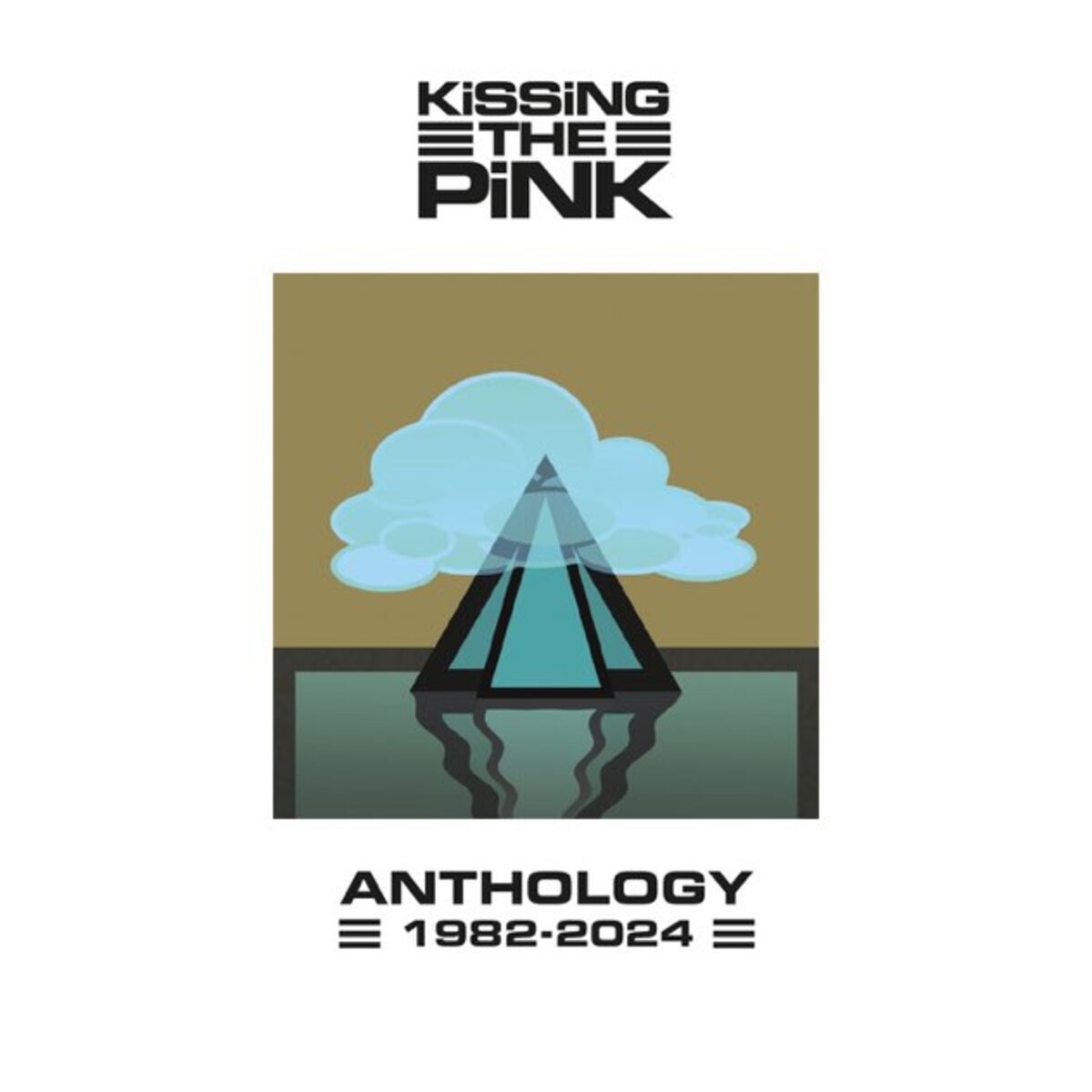
In 2009, Kissing the Pink released the digital albums Digital People and Fat Home on Bandcamp, marking a return to experimental electronic textures. In 2020, the band performed at the W-Festival in Belgium, their first large-scale international festival appearance in over a decade. Their 2024 anthology Kissing the Pink: Anthology 1982–2024 (Cherry Red Records) was described by God Is In The TV as “a fascinating chronicle of an innovative band whose ideas were years ahead of their time.”
KTP’s influence has extended across generations. The group’s 1983 song “All For You” was sampled by A$AP Rocky on “Kissin’ Pink”, which Complex called “a bittersweet, psychedelic love song that rumbles and burbles with flanging synths and a coy blend of pianos and sax that create a tantalizing sound that never quite conventionally coalesces.”
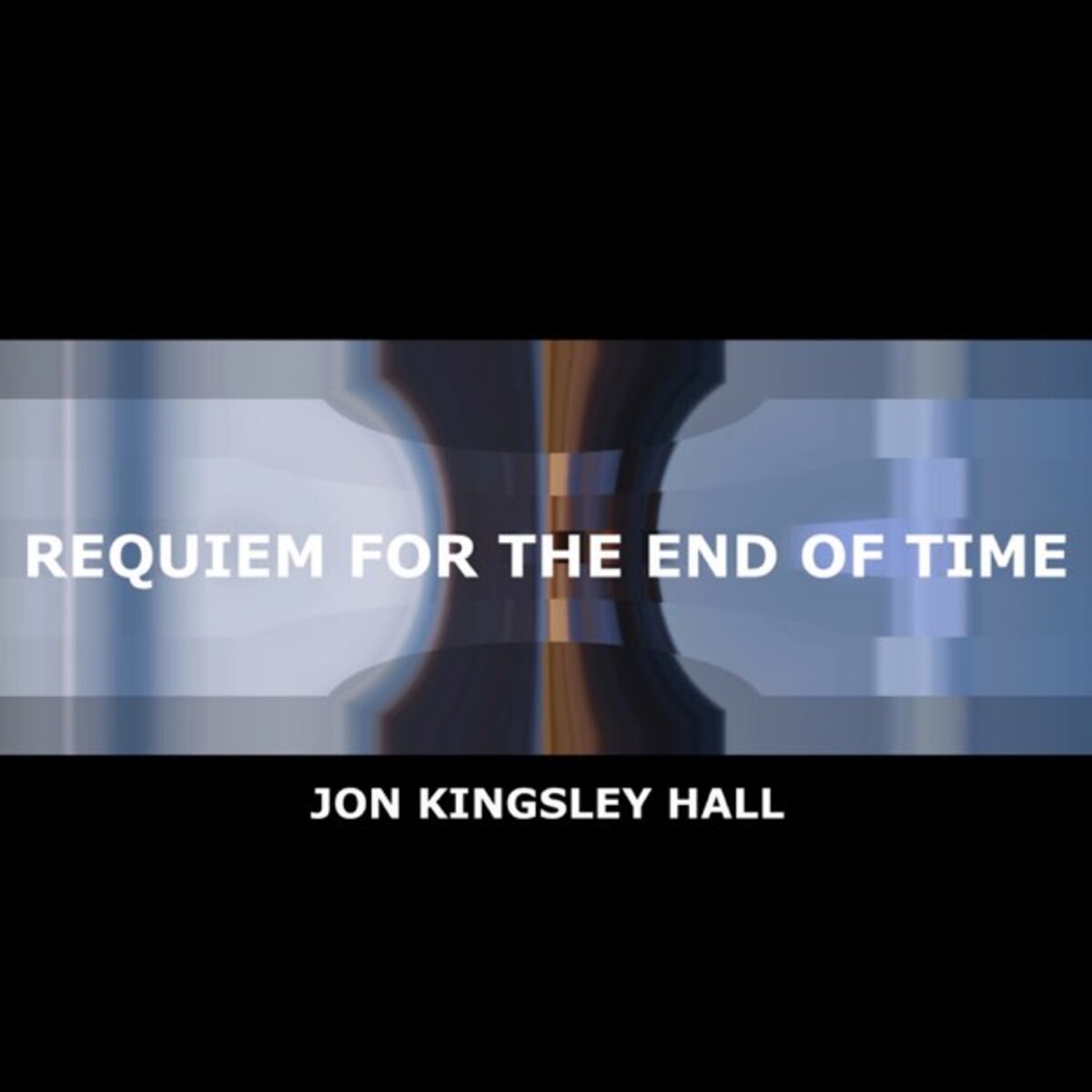
Hall remains active as a composer and producer. Recent works include the limited vinyl release Outsider Gallery London Vol. 1 (2023) and the immersive composition Requiem for the End of Time (2022), both of which expand his interest in the relationship between sound, space, and emotional healing.
Requiem for the End of Time is an immersive multi-sensory work described by Hall as “an invitation to enter an uncolonised space — a slow unveiling of presence in a world that has forgotten how to wait.” Drawing on sacred harmonies, minimalist forms, and ambient visuals, the piece reflects Hall’s experience as a music therapist working on acute NHS wards. He has said: “Transformation often lies beyond what can be measured. It happens in the simple, intentional act of waiting — of being present without the compulsion to fix or solve.”
The work invites audiences to inhabit stillness and ambiguity, exploring waiting as a creative and healing act. Hall writes, “Perhaps this is where healing begins — not only within mental health practice, but in our fractured, polarised society — a collective rehearsal in patience, humility, and presence.”
Music therapy - After earning his master’s degree in music therapy in 2013, Hall founded Outsider Music CIC in 2015. The organisation delivers community and clinical music therapy projects and has received NHS Charities Together funding for its work in hospitals including the Royal Manchester Children’s Hospital.
Hall’s work involves facilitating music creation for individuals experiencing mental health challenges, helping them record and perform their own material. He has described this approach as “co-creation rather than treatment — a shared journey that builds confidence and identity.” His therapeutic practice focuses on improvisation, empathy, and the relational power of music to foster transformation and resilience.